David Reid made this video of The Bible- the Big Picture, Used AI to summarize the content. This an excellent video for those using right division in explaining the Big Picture of the KJV Bible. The Youtube video is at this link- https://youtu.be/Qq10DWpF20A Columbus Bible Church is an excellent source of material for right division of God's Word- https://www.columbusbiblechurch.org/
Grok Summary of video
King James Bible
THE BIBLE THE BIG PICTURE
“That in the dispensation of the fulness of times he might gather together in one all things in Christ, both which are in heaven, and which are on earth; even in him:” Ephesians 1:10
Time Past
“Wherefore remember, that ye being in time past Gentiles in the flesh…” Ephesians 2:11
But Now
“But now in Christ Jesus ye who sometimes were far off are made nigh by the blood of Christ.” Ephesians 2:13
Ages to Come
“That in the ages to come he might shew the exceeding riches of his grace…” Ephesians 2:7
This is a cross-upload from the channel "Last Call To Calvary" in which David participated in an interview regarding right division questions. Helpful Timestamps (for secondary review):
What does it mean to rightly divide the word of truth? 3:28
The Meaning of "Mystery or Secret" in the King James Bible
In the King James Bible, the word "mystery" carries a very specific and rich meaning quite different from how we use the word today. The most important thing is the context of Secret in the Old Testament Deuteronomy 29:29 — "The secret things belong unto the LORD our God: but those things which are revealed belong unto us and to our children for ever, that we may do all the words of this law." and Romans 16:25 "According to the revelation of the mystery, which was kept secret since the world began."
The Original Greek Word
The KJV word "mystery" translates the Greek word μυστήριον (mystērion, Strong's G3466), rooted in the word muo meaning "to shut the mouth" — carrying the idea of silence imposed by initiation into sacred rites. Bible Hub
What It Actually Means
The Greek musterion means a secret imparted only to the initiated — something unknown until it is revealed, whether it be easy or hard to understand. The idea of incomprehensibility, if implied at all, is purely accidental.
So a biblical "mystery" is not something permanently unknowable or puzzling. Rather:
In the New Testament, mysterion signifies a secret which is being, or even has been, revealed — divine in scope, and made known by God to men through His Spirit. The mystery of the New Testament has been described as an "open secret": matters previously kept secret in God's eternal purposes have now been or are being revealed (Eph. 3:3–5; 1 Cor. 2:7).
The Root Idea
The root idea is information known only to those on the inside, but hidden to those who are without (Mark 4:11). It refers to God's secrets — His counsels and purposes which are not known to man apart from His special revelation in Scripture or by His prophets (Dan. 2:18–23). In most cases in the New Testament it refers to church truth which was not known in Old Testament times, but has become revealed in the New Testament (Eph. 3:1–9).
Key Mysteries Named in the KJV
The word mystērion appears 27 times in the KJV New Testament, referring to things such as:
The mysteries of the kingdom of heaven (Matthew 13:11)
The mystery of the gospel — God's plan of salvation through Christ, once hidden but now revealed (Romans 16:25; Ephesians 3:9; Colossians 1:26)
The mystery of Christ and the Church (Ephesians 5:32)
The mystery of Israel's blindness (Romans 11:25)
The mystery of the Woman and the Beast (Revelation 17:7) Blue Letter Bible
Summary
In the KJV, a mystery is a divine secret that God has chosen to reveal — hidden in ages past, but now disclosed through Christ and His apostles. A mystery which has been revealed is no longer a mystery to whom it has been revealed; it then becomes a truth. It is a mystery only to those to whom it has not yet been revealed.
This is why Paul writes in Colossians 1:26–27 of "the mystery which hath been hid from ages and from generations, but now is made manifest to his saints… which is Christ in you, the hope of glory.
When is mystery used in KJB?
This is a rich topic! Here is a thorough breakdown of how "mystery" and "secret" are used across the Old Testament in the King James Bible.
IMPORTANT NOTE: "Mystery" vs. "Secret" in the Old Testament
The word "mystery" (Greek: musterion) does not appear at all in the KJV Old Testament. The Old Testament was written in Hebrew, and the equivalent concept is expressed through the word "secret" (Hebrew: sôd — meaning a private counsel or hidden thing). In the KJV, "secret" is mentioned in 21 books of the Bible, most often in Psalms (13 times) and Daniel (7 times).
THE LAW (Torah)
Genesis 49:6 — Jacob on his deathbed warns: "O my soul, come not thou into their secret; unto their assembly, mine honour, be not thou united." (God's counsel is not to be joined with violent conspirators.)
Deuteronomy 27:15 — "Cursed be the man that… putteth it in a secret place." (Hidden idolatry condemned.)
Deuteronomy 29:29 — "The secret things belong unto the LORD our God: but those things which are revealed belong unto us and to our children for ever, that we may do all the words of this law." — This is the foundational Old Testament verse on divine secrets.
THE WISDOM BOOKS
Job 15:8 — "Hast thou heard the secret of God? and dost thou restrain wisdom to thyself?"
Job 29:4 — "As I was in the days of my youth, when the secret of God was upon my tabernacle." (Job recalls intimacy with God's counsel.)
Psalm 25:14 — "The secret of the LORD is with them that fear him; and he will shew them his covenant."
Psalm 27:5 — "For in the time of trouble he shall hide me in his pavilion: in the secret of his tabernacle shall he hide me."
Psalm 91:1 — "He that dwelleth in the secret place of the most High shall abide under the shadow of the Almighty."
Proverbs 3:32 — "For the froward is abomination to the LORD: but his secret is with the righteous."
Proverbs 25:2 — "It is the glory of God to conceal a thing: but the honour of kings is to search out a matter."
Ecclesiastes 12:14 — "For God shall bring every work into judgment, with every secret thing, whether it be good, or whether it be evil."
THE PROPHETS
Isaiah 45:3 — "And I will give thee the treasures of darkness, and hidden riches of secret places, that thou mayest know that I, the LORD… am the God of Israel."
Isaiah 45:19 — "I have not spoken in secret, in a dark place of the earth… I the LORD speak righteousness."
Isaiah 48:16 — "I have not spoken in secret from the beginning; from the time that it was, there am I."
Jeremiah 23:24 — "Can any hide himself in secret places that I shall not see him? saith the LORD. Do not I fill heaven and earth?"
Ezekiel 28:3 — God addresses the prince of Tyre: "Behold, thou art wiser than Daniel; there is no secret that they can hide from thee."
Amos 3:7 — "Surely the Lord GOD will do nothing, but he revealeth his secret unto his servants the prophets." — One of the most significant "secret" verses in the Old Testament. Nave's Topical Bible
DANIEL — The Most Concentrated Use (7 times)
Daniel is the richest Old Testament book on this theme, using the Aramaic word raza (secret/mystery) repeatedly:
Daniel 2:18 — "That they would desire mercies of the God of heaven concerning this secret; that Daniel and his fellows should not perish."
Daniel 2:19 — "Then was the secret revealed unto Daniel in a night vision. Then Daniel blessed the God of heaven."
Daniel 2:22 — "He revealeth the deep and secret things: he knoweth what is in the darkness, and the light dwelleth with him."
Daniel 2:27 — "The secret which the king hath demanded cannot the wise men, the astrologers, the magicians, the soothsayers, show unto the king."
Daniel 2:30 — "But as for me, this secret is not revealed to me for any wisdom that I have more than any living."
Daniel 2:47 — "Of a truth it is, that your God is a God of gods, and a Lord of kings, and a revealer of secrets, seeing thou couldest reveal this secret."
Daniel 4:9 — "O Belteshazzar… no secret troubleth thee, tell me the visions of my dream."
SUMMARY TABLE
Category
Key Verses
Theme
God's sovereign secrets
Deuteronomy 29:29
Some things belong only to God
Intimacy with God
Psalm 25:14; Proverbs 3:32
His secret is with the righteous
God sees all hidden things
Jeremiah 23:24; Ecclesiastes 12:14
Nothing hidden from Him
God reveals to His prophets
Amos 3:7
Secrets disclosed before judgment
Revealed through Daniel
Daniel 2 (×7)
God as the revealer of secrets
God speaks openly
Isaiah 45:19; 48:16
He does not hide from His people
The thread running through the entire Old Testament is this: God holds divine secrets, but He chooses to reveal them — to the righteous, to His prophets, and ultimately through Christ in the New Testament (Colossians 1:26).
When is mystery used in the King James Bible ?
Here is a complete overview of every occurrence of "mystery" (and "mysteries") in the King James Bible. The word "mystery" is used 22 times and "mysteries" 5 times, appearing in 8 books of the New Testament — most frequently in Ephesians (6 times) and Colossians (4 times). King James Bible Dictionary
📖 THE GOSPELS — The Mystery of the Kingdom
Matthew 13:11"Because it is given unto you to know the mysteries of the kingdom of heaven, but to them it is not given."
Mark 4:11"Unto you it is given to know the mystery of the kingdom of God: but unto them that are without, all these things are done in parables."
Luke 8:10"Unto you it is given to know the mysteries of the kingdom of God: but to others in parables; that seeing they might not see, and hearing they might not understand."
✉️ ROMANS
Romans 11:25"For I would not, brethren, that ye should be ignorant of this mystery… that blindness in part is happened to Israel, until the fulness of the Gentiles be come in."
Romans 16:25"According to the revelation of the mystery, which was kept secret since the world began."
✉️ 1 CORINTHIANS
1 Corinthians 2:7"But we speak the wisdom of God in a mystery, even the hidden wisdom, which God ordained before the world unto our glory."
1 Corinthians 4:1"Let a man so account of us… as stewards of the mysteries of God."
1 Corinthians 13:2"And though I… understand all mysteries, and all knowledge… and have not charity, I am nothing."
1 Corinthians 14:2"For he that speaketh in an unknown tongue speaketh… unto God: for no man understandeth him; howbeit in the spirit he speaketh mysteries."
1 Corinthians 15:51"Behold, I shew you a mystery; We shall not all sleep, but we shall all be changed."
✉️ EPHESIANS (most occurrences)
Ephesians 1:9 — The mystery of God's will Ephesians 3:3–4 — The mystery of Christ revealed to Paul Ephesians 3:9 — The mystery hidden from the beginning of the world Ephesians 5:32 — The mystery of Christ and the Church Ephesians 6:19 — The mystery of the gospel
✉️ COLOSSIANS
Colossians 1:26–27"Even the mystery which hath been hid from ages and from generations, but now is made manifest to his saints… which is Christ in you, the hope of glory."
Colossians 2:2 — The mystery of God, the Father, and of Christ Colossians 4:3 — The mystery of Christ
✉️ 2 THESSALONIANS
2 Thessalonians 2:7"For the mystery of iniquity doth already work."
✉️ 1 TIMOTHY
1 Timothy 3:9 — "Holding the mystery of the faith in a pure conscience."
1 Timothy 3:16"And without controversy great is the mystery of godliness: God was manifest in the flesh, justified in the Spirit, seen of angels, preached unto the Gentiles, believed on in the world, received up into glory."
📖 REVELATION
Revelation 1:20 — The mystery of the seven stars and seven candlesticks
Revelation 10:7 — "The mystery of God should be finished, as he hath declared to his servants the prophets."
Revelation 17:5 — "And upon her forehead was a name written, MYSTERY, BABYLON THE GREAT, THE MOTHER OF HARLOTS AND ABOMINATIONS OF THE EARTH."
Revelation 17:7 — The mystery of the woman and the beast
Summary of the Major Mysteries in the KJV
Mystery
Key Verse
The Kingdom of Heaven
Matthew 13:11
Israel's blindness
Romans 11:25
The hidden wisdom of God
1 Corinthians 2:7
The Resurrection
1 Corinthians 15:51
God's will to unite all in Christ
Ephesians 1:9
The gospel going to the Gentiles
Ephesians 3:3–9
Christ and the Church
Ephesians 5:32
Christ in you, the hope of glory
Colossians 1:26–27
The mystery of godliness
1 Timothy 3:16
The mystery of iniquity
2 Thessalonians 2:7
Babylon the Great
Revelation 17:5
In ending, the Mysteries in Paul epistles can on be applied in the dispensation of Grace. Since they were not known before that, the implications for each are revelant to this age.
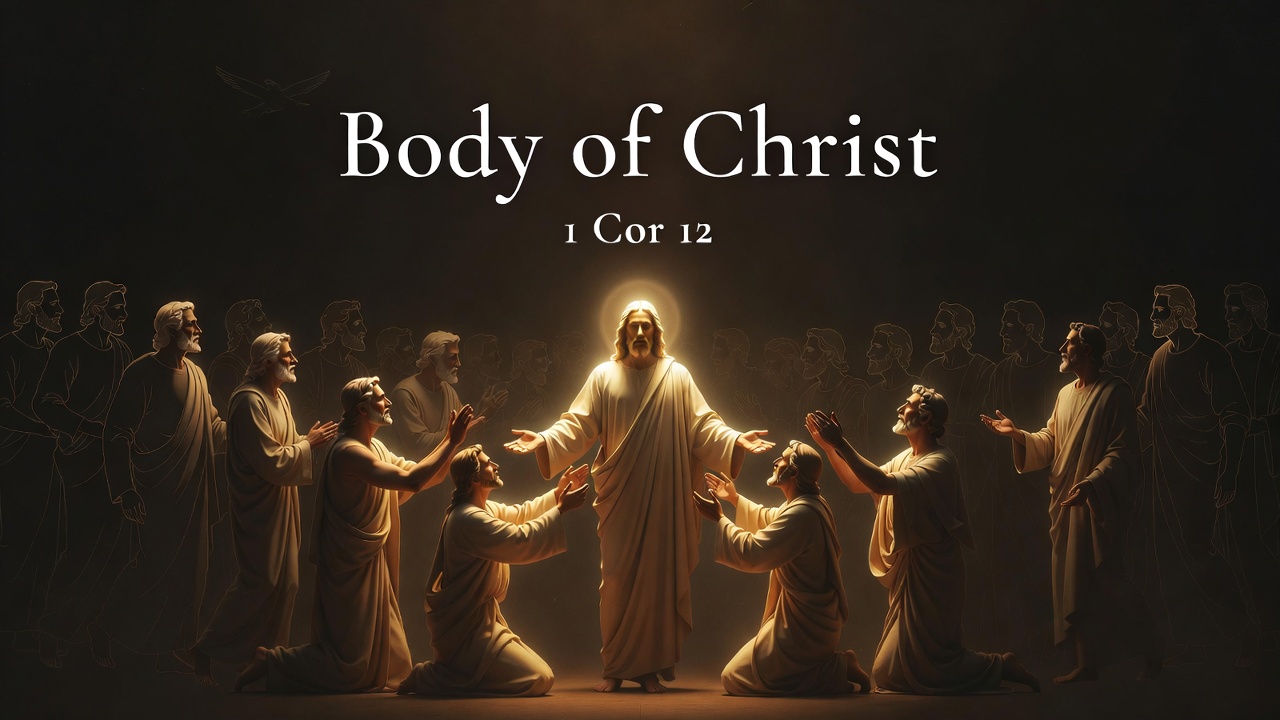
In Paul's epistles (KJV), "the Body of Christ" is a major doctrinal truth revealed as part of the Mystery. It refers to the Church — all true believers in Jesus Christ, regardless of Jew or Gentile, who are spiritually united to Christ as members of one organism, with Christ Himself as the Head.
Key Definition & Passages
Christ is the Head; the Church is His Body
Ephesians 1:22-23 "And hath put all things under his feet, and gave him to be the head over all things to the church, Which is his body, the fulness of him that filleth all in all."
Colossians 1:18 "And he is the head of the body, the church: who is the beginning, the firstborn from the dead; that in all things he might have the preeminence."
The Body of Christ = the universal Church (not a building, denomination, or local assembly alone, but every born-again believer from Pentecost onward).
One Body — Jews and Gentiles Made One
Ephesians 2:15-16 "Having abolished in his flesh the enmity... to make in himself of twain one new man, so making peace; And that he might reconcile both unto God in one body by the cross..."
Ephesians 3:6 (part of the Mystery) "That the Gentiles should be fellowheirs, and of the same body, and partakers of his promise in Christ by the gospel."
This was hidden in past ages (the Mystery) — God is now forming one new spiritual body where believing Jews and Gentiles are equal members.
Many Members, One Body
1 Corinthians 12:12-13, 27 "For as the body is one, and hath many members, and all the members of that one body, being many, are one body: so also is Christ. For by one Spirit are we all baptized into one body, whether we be Jews or Gentiles... Now ye are the body of Christ, and members in particular."
Romans 12:4-5 "For as we have many members in one body... So we, being many, are one body in Christ, and every one members one of another."
Every believer is a member (like a hand, foot, eye, etc.) with different gifts and functions, but all joined together under Christ the Head.
The Holy Spirit baptizes us into this Body at the moment of salvation.
How the Body Grows & Functions
Ephesians 4:15-16 "But speaking the truth in love, may grow up into him in all things, which is the head, even Christ: From whom the whole body fitly joined together and compacted by that which every joint supplieth... maketh increase of the body unto the edifying of itself in love."
Colossians 2:19 "And not holding the Head, from which all the body by joints and bands having nourishment ministered, and knit together, increaseth with the increase of God."
Summary of Paul's Teaching
The Body of Christ is the Church, the new spiritual organism created at Pentecost and continuing today.
It is not Israel (Paul distinguishes the two).
Christ is the Head — He directs, nourishes, and has authority over it.
Believers are members joined to Christ and to one another.
This truth is central to the Mystery Paul received: Gentiles as full fellow-heirs in one Body (Ephesians 3).
It is connected to the current dispensation of the grace of God — Paul’s stewardship to reveal and build up this Body.
This is one of the highest privileges of the believer: to be “in Christ” as part of His very Body.
In Paul's epistles (KJV), "dispensation" translates the Greek word oikonomia, meaning stewardship, administration, management, or a plan/commission to dispense or carry out something. It refers to how God arranges or entrusts His purposes—often a specific responsibility or era in God's dealings with humanity.
Paul uses the word in these key places:
1. "The dispensation of the grace of God" (Ephesians 3:2)
"If ye have heard of the dispensation of the grace of God which is given me to you-ward..."
Meaning: This is the primary "this dispensation" likely referred to. It is the special stewardship or commission God gave Paul to administer/preach the gospel of grace to the Gentiles.
Paul received this by revelation as part of the mystery (the Church age truths hidden in past ages—Gentiles as fellowheirs in one body with Jews in Christ). It connects directly to the previous discussion on mysteries.
Paul is a "steward" dispensing God's grace (the unsearchable riches of Christ) to the Ephesians and other Gentiles.
2. "The dispensation of the fulness of times" (Ephesians 1:9-10)
"Having made known unto us the mystery of his will... That in the dispensation of the fulness of times he might gather together in one all things in Christ, both which are in heaven, and which are on earth; even in him."
Meaning: This refers to God's future administrative plan or period when He will sum up/head up all things under Christ's rule (a coming time of universal reconciliation and fulfillment). It is broader than the current age and points to the ultimate goal of God's purposes.
3. "The dispensation of God" (Colossians 1:25)
"Whereof I am made a minister, according to the dispensation of God which is given to me for you, to fulfil the word of God."
Meaning: Again, Paul's God-given stewardship to minister the gospel (especially the mystery of "Christ in you, the hope of glory" to the Gentiles) to complete God's revelation.
Summary in context: In Paul's writings, "this dispensation" most often points to the current administration of God's grace through the gospel—specifically Paul's apostolic role in revealing and dispensing truths about the Church (the body of Christ) that were previously hidden. It is not primarily a long "age" or era (though dispensational theology builds on this idea), but a divine entrustment or management of God's program.
Paul contrasts this with prior ages (law, prophets, etc.), emphasizing that this is a new stewardship of grace for the Church until the "fullness of times."
" Now to him that is of power to stablish you according to my gospel, and the preaching of Jesus Christ, according to the revelation of the mystery, which was kept secret since the world began
2 Peter 3:15-16 And account [that] the longsuffering of our Lord [is] salvation; even as our beloved brother Paul also according to the wisdom given unto him hath written unto you; As also in all [his] epistles, speaking in them of these things; in which are some things hard to be understood, which they that are unlearned and unstable wrest, as [they do] also the other scriptures, unto their own destruction.
In other words, get your out of the sand. This is a fact Jack!
In the King James Bible (KJB), the Apostle Paul uses the term "mystery" (from the Greek mystērion, meaning a secret or hidden truth now revealed by God) several times across his epistles. These refer to divine truths that were hidden in past ages but revealed through Paul (and sometimes other apostles/prophets) for the Church age.
Paul does not provide a single numbered list, but the key mysteries he explicitly names or describes are as follows, with direct KJV verses:
The mystery of the Gospel / the mystery of Christ (often central to Paul's message)
Romans 16:25-26: "Now to him that is of power to stablish you according to my gospel, and the preaching of Jesus Christ, according to the revelation of the mystery, which was kept secret since the world began, But now is made manifest..."
Ephesians 6:19: "...to make known the mystery of the gospel."
Colossians 4:3-4: "...to speak the mystery of Christ..."
Colossians 2:2: "...the mystery of God, and of the Father, and of Christ."
Colossians 1:26-27: "...the mystery which hath been hid from ages and from generations, but now is made manifest to his saints: ... which is Christ in you, the hope of glory." This encompasses the full revelation of salvation through Christ's death and resurrection, including Christ indwelling believers.
The mystery of His will (God's plan to unite all things under Christ)
Ephesians 1:9-10: "Having made known unto us the mystery of his will, according to his good pleasure which he hath purposed in himself: That in the dispensation of the fulness of times he might gather together in one all things in Christ..."
The mystery of the Gentiles' inclusion / the fellowship of the mystery (Gentiles as fellow heirs with Jews in one body, the Church)
Ephesians 3:3-6: "...by revelation he made known unto me the mystery... Which in other ages was not made known unto the sons of men, as it is now revealed unto his holy apostles and prophets by the Spirit; That the Gentiles should be fellow heirs, and of the same body, and partakers of his promise in Christ by the gospel..."
Ephesians 3:9: "...to make all men see what is the fellowship of the mystery, which from the beginning of the world hath been hid in God..."
The mystery of godliness (the incarnation and work of Christ)
1 Timothy 3:16: "And without controversy great is the mystery of godliness: God was manifest in the flesh, justified in the Spirit, seen of angels, preached unto the Gentiles, believed on in the world, received up into glory."
The mystery of the partial blindness/hardening of Israel (until the fullness of the Gentiles comes in)
Romans 11:25: "For I would not, brethren, that ye should be ignorant of this mystery, lest ye should be wise in your own conceits; that blindness in part is happened to Israel, until the fulness of the Gentiles be come in."
The mystery of the Rapture / the change at Christ's coming (believers' bodies transformed)
1 Corinthians 15:51: "Behold, I shew you a mystery; We shall not all sleep, but we shall all be changed..."
The mystery of lawlessness / iniquity (already at work, leading to the man of sin)
2 Thessalonians 2:7: "For the mystery of iniquity doth already work: only he who now letteth will let, until he be taken out of the way."
The mystery of marriage / Christ and the Church (as a profound union, illustrated by husband and wife)
Ephesians 5:31-32: "For this cause shall a man leave his father and mother, and shall be joined unto his wife, and they two shall be one flesh. This is a great mystery: but I speak concerning Christ and the church."
Paul also refers generally to "mysteries of God" (1 Corinthians 4:1: "Let a man so account of us, as of the ministers of Christ, and stewards of the mysteries of God") and "the wisdom of God in a mystery" (1 Corinthians 2:7).
Many interpreters (especially in dispensational teaching) view these as interconnected aspects of one overarching "mystery" revealed uniquely to Paul—the gospel of grace, the Church as Christ's body, and related truths hidden from prior generations. The core emphasis is that these were not fully revealed in the Old Testament or earlier New Testament writings but made known through Paul for the Church.
What I have to say is that if you don't understand the mysteries that Paul teaches for us in this dispensation. then Gods word will be confusing in your reading of any other part of Gods Word.
I went to another AI which I won't use again. These mysteries are not accepted. This is what mans religion does to the Word of God when they don't like what it says. The Bible is all the Word of God. Paul is the apostle to the Gentiles, US!
Today more than ever, we can see how Satan has misguided so many people in Government. Everyday a new scandal pops up. I pray that our nation would be close to God in wisdom and Faith. We as Christians, need be in his word and declaring the wisdom of God!
In being a berean these prophecies were used to analysis Paul's teaching. Here is a clear, organized list of major Old Testament prophecies from the King James Bible that were fulfilled by Jesus Christ, along with their New Testament fulfillments.
The New Testament writers frequently point these out to demonstrate that Jesus is the promised Messiah. While scholars identify hundreds of prophecies and typological references fulfilled in Christ (some counts exceed 300 when including broader themes), the following are among the most direct and widely recognized. I have quoted key verses directly from the King James Version (KJV).
Prophecies of His Birth and Early Life
1. Born of a virginProphecy (Isaiah 7:14): “Therefore the Lord himself shall give you a sign; Behold, a virgin shall conceive, and bear a son, and shall call his name Immanuel.” Fulfillment: Matthew 1:22-23 (the virgin birth of Jesus; note the spelling “Emmanuel” in the NT quotation).
Rightly Dividing the Word in 2 Timothy 15, is to be similar to being Berean and end in the same result. As a believer in the Body of Christ, your faith will increase and personal love for Christ in your life will grow.
[2Ti 2:15 KJV] 15 Study to shew thyself approved unto God, a workman that needeth not to be ashamed, rightly dividing the word of truth.
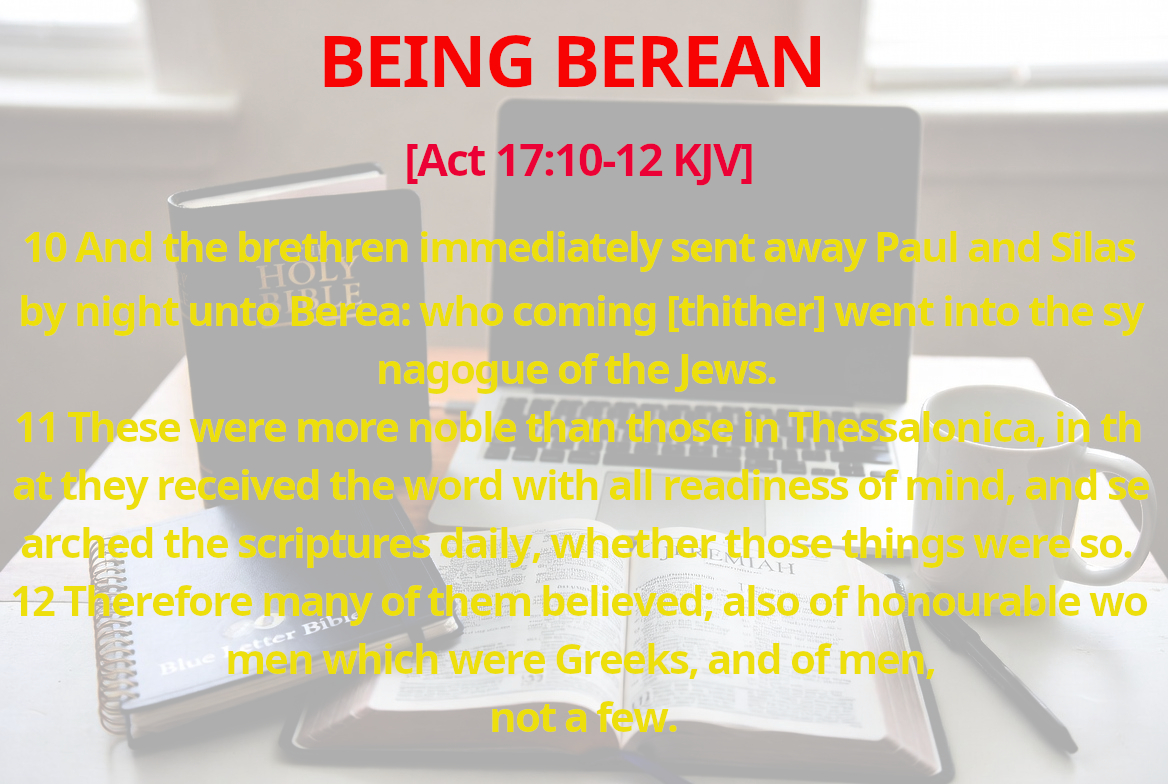
Being a Berean refers to the positive example of the Jewish people in the synagogue at Berea (in Macedonia) described in Acts 17:10-12 of the New Testament. They are praised as “more noble” (or “fair-minded” / “open-minded”) than the Jews in Thessalonica because of how they responded to the gospel message preached by the Apostle Paul and Silas. These Jewish men had an in-depth understanding of the Old Testament and the Gospel that Paul taught with the mysteries revealed to him added to what they understood.
Today, “being Berean” is a common encouragement in Christian circles. It means:
Don’t accept every teaching, sermon, book, or idea at face value — even from respected leaders.
Test everything against the Bible with an open but discerning heart.
Study Scripture regularly and eagerly for yourself.
Approach God’s Word with humility, expecting it to shape your beliefs.
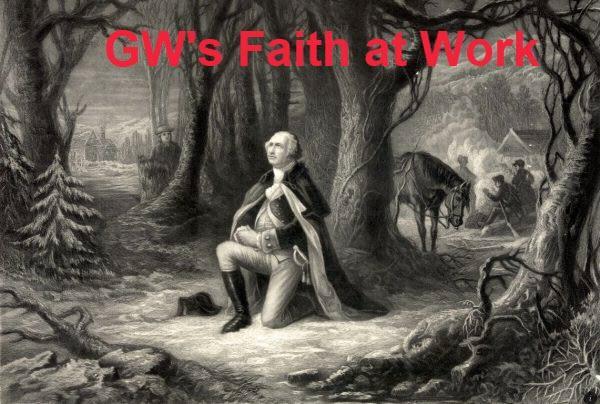
George Washington was private, Only God knows about his Faith!
The Washingtons attended services about once a month at two churches near Mount Vernon. During the Revolutionary War, Washington regularly attended services held by military chaplains and local civilian congregations. Often, when he was traveling, Washington would stop for services at whatever church was nearby, regardless of its denomination. Over the course of his life, he is known to have attended services at churches associated with the following Christian groups: Presbyterians, Quakers, Roman Catholics, Congregationalists, Baptists, and Dutch Reformed.
Throughout his time as a leader, in the army and civilian government, Washington encouraged the declaration of days of prayer and fasting as a means of seeking divine assistance in perilous situations and also supported the proclamation of days of Thanksgiving to praise God for his help. He and his other officers led church services during the French and Indian War because they lacked chaplains. During the Revolution, he ensured that there were chaplains of various denominations to meet the spiritual needs of his soldiers. He also encouraged them to stop swearing and gambling, because he told them it was unseemly to ask God’s favor on their efforts if they were constantly insulting him by their behavior.
This article above shows he was faithful. I have read several articles to the contrary. One of them tried to down a virus to my machine. I accept that he internally believed in God and Externally he wanted faith to grow in America.
In drafting the Constitution, most of the Founding Fathers believed that the safeguards written into it would protect the rights of Americans. But when the Constitution was sent to the states in 1787 for ratification, a great roar of disapproval went up. In Virginia, Patrick Henry protested vigorously against the lack of a specific statement of rights. Other Americans from different states demanded that a Bill of Rights be added to the Constitution. A number of states ratified the Constitution only conditionally. That is, they would approve the Constitution only if it were changed to include these rights.
Two years after the new American government went into effect, the Bill of Rights was added as the first ten amendments to the Constitution. Congress discussed nearly 200 proposals for amendments before it presented these ten to the states for approval. The states ratified these amendments, and they became part of the Constitution in 1791.
THE BILL OF RIGHTS
The first ten amendments to the Constitution, or the Bill of Rights, set forth the priceless rights or freedoms that all Americans may enjoy. A brief summary of these great freedoms is given here.
FREEDOM OF RELIGION
The first right, or freedom, guaranteed in the Bill of Rights is freedom of religion. This right is guaranteed in the First Amendment. Freedom of religion guarantees to all Americans the right to practice any religion they choose, or to practice no religion at all.
Congress is forbidden to establish any religion as our nation’s official religion. Congress cannot favor any one religion over others or tax citizens in order to support any one religion.
FREEDOM OF SPEECH
The right to express your ideas and opinions when you speak is called freedom of speech. Freedom of speech also means the right to listen to the thoughts and opinions of others. This freedom guarantees that Americans are free to express their thoughts and ideas about anything. They may talk freely to their friends and neighbors or speak in public to a group of people. Of course, no one may use his freedom of speech to injure others. If a person knowingly says things that are false about another, he may be sued in court by the person or persons who believe they have been harmed by what he said.
Americans are free to express opinions about their government or anything else. They are free to criticize the actions of the government and of government officials. In a dictatorship, where the nation’s government has all the powers, the people have no right to speak like this. They do not dare to criticize the actions of the government. If they do, they may be imprisoned. But all Americans enjoy the freedom of speech, which is guaranteed in the First Amendment.
FREEDOM OF THE PRESS
The freedom to express your ideas and opinions in writing is known as freedom of the press. This freedom is closely related to freedom of speech and is also guaranteed by the First Amendment.
Freedom of the press gives all Americans the right to express their ideas and thoughts freely in writing. This writing may be in newspapers, books, magazines, or any other printed or written form. Americans are also free to read what others write. They may read any newspaper, book or magazine they want. Because they are free to read a variety of facts and opinions, Americans can become better-informed citizens.
FREEDOM OF ASSEMBLY
Another priceless freedom guaranteed by the First Amendment is freedom of assembly, or freedom to hold meetings. Americans are free to meet together to discuss problems and to plan their actions. Of course, such meetings must be carried on in a peaceful way.
FREEDOM OF PETITION
The freedom of petition is the right to ask your government to do something or to refrain from doing something. The First Amendment contains this guarantee, also. The freedom of petition gives you the right to write to your Congressman and request him to work for the passage of laws you favor. You are free to ask him to change laws that you do not like. The right to petition also helps government officials to know what Americans think and what actions they want the government to take.
The Second Amendment to the Constitution guarantees Americans the right to bear arms. In the early years of our nation, Americans needed weapons in order to serve in the militia, or volunteer armies, that were established to defend our states. The militia provided protection during emergencies, too. Many Americans also believed that without weapons they would be powerless if the government tried to overstep its powers and rule by force.
The Third Amendment states, “No soldier shall, in times of peace, be quartered in any house. . . .” Under British rule, the colonists sometimes had to feed and house British soldiers against their will. As a result, Americans wanted this practice forbidden under the Bill of Rights.
THE RIGHT TO EQUAL JUSTICE
The Bill of Rights contains many rights that are guaranteed to persons accused of a crime. Amendments Five, Six, Seven, and Eight are all concerned with these rights. Our nation places great importance on these rights in order to guarantee equal justice for all Americans. A person must be indicted, or formally accused of a crime, by a group of citizens called a “grand jury” before he can be brought into court for trial. A person accused of a crime is guaranteed the right to know what law he is accused of breaking. A person accused of a crime has a right to a prompt public trial by a jury of his fellow citizens. An accused person cannot be put into prison and kept there for weeks or months while awaiting a trial. He has the right to leave jail, in most cases, if he can raise a certain sum of money, or bail, as a pledge that he will appear at his trial. An accused person has a right to a lawyer to represent him in court. All the testimony and evidence against an accused person must be presented publicly in court. The accused person has the right to call any witnesses to appear if their testimony will help him. The accused person cannot be forced to testify or give evidence against himself. If the accused person is found guilty, he cannot be given cruel or unusual punishment. If the accused person is found not guilty of a serious crime, he cannot be tried a second time for this same crime.
THE RIGHT TO OWN PRIVATE PROPERTY
The Fifth Amendment guarantees Americans the right to own private property. No person may take away anything that we own. Nor can the government seize our land, money, or other forms of property without cause, or without paying for it. The right to own private property is one of America’s basic freedoms. Our free economic system is based upon this right.
THE RIGHT TO ENJOY MANY OTHER FREEDOMS
To make doubly sure that Americans should enjoy every right and freedom possible, Amendment Nine was added to the Constitution. This amendment states that the list of rights contained in the Bill of Rights is not complete. There are many other rights that all Americans have and will continue to have even though they are not mentioned in the Bill of Rights. Among them are the following. Freedom to live or travel anywhere in our nation Freedom to work at any job for which we can qualify Freedom to marry and raise a family Freedom to receive a free education in good public schools Freedom to join a political party, a union, and other legal groups As a final guarantee of our rights, the Tenth Amendment set aside many powers of government for the states. This Amendment says that all powers not given to the federal government by the Constitution, nor forbidden to the states, are set aside for the states, or for the people. This provision leaves with the states the power to act in many ways to guarantee the rights of their citizens.
SUMMARY- American Rights and Freedoms
Government is the authority or power that people establish to help them run their affairs. Governments serve many important purposes, but the most important one is that government makes it possible for people to live and work together. The government provides us with rules of conduct we can follow. Government makes it possible for people to live by known laws and helps provide many services that citizens acting alone could not perform themselves. Our nation’s government is based on the American Constitution. This Constitution, together with its Bill of Rights and other amendments, provides us with a workable plan of government. The Constitution also guarantees to all Americans many priceless rights and freedoms. Our nation’s government is based upon the approval, or consent, of the people who are governed. It is a federal system in which certain powers are given to the national government and other powers are left to the states and to the people. Certain powers are shared by both federal and state governments. In both federal and state governments, powers are separated and balanced among three branches of government.
Bill of Rights Amendments 1-10
The Conventions of a number of the States having, at the time of adopting the Constitution, expressed a desire, in order to prevent misconstruction or
abuse of its powers, that further declaratory and restrictive clauses should be added, and as extending the ground of public confidence in the Government will best insure the beneficent ends of its institution;
Resolved, by the Senate and House of Representatives of the United States of America, in Congress assembled, two-thirds of both Houses concurring, that the following articles be proposed to the Legislatures of the several States, as amendments to the Constitution of the United States; all or any of which articles, when ratified by three-fourths of the said Legislatures, to be valid to all intents and purposes as part of the said Constitution, namely:
Amendment I
Congress shall make no law respecting an establishment of religion, or prohibiting the free exercise thereof; or abridging the freedom of speech, or of the press; or the right of the people peaceably to assemble, and to petition the government for a redress of grievances.
Amendment II
A well regulated militia, being necessary to the security of a free state, the right of the people to keep and bear arms, shall not be infringed.
Amendment III
No soldier shall, in time of peace be quartered in any house, without the consent of the owner, nor in time of war, but in a manner to be prescribed by law.
Amendment IV
The right of the people to be secure in their persons, houses, papers, and effects, against unreasonable searches and seizures, shall not be violated, and no warrants shall issue, but upon probable cause, supported by oath or affirmation, and particularly describing the place to be searched, and the persons or things to be seized.
Amendment V
No person shall be held to answer for a capital, or otherwise infamous crime, unless on a presentment or indictment of a grand jury, except in cases arising in the land or naval forces, or in the militia, when in actual service in time of war or public danger; nor shall any person be subject for the same offense to be twice put in jeopardy of life or limb; nor shall be compelled in any criminal case to be a witness against himself, nor be deprived of life, liberty, or property, without due process of law; nor shall private property be taken for public use, without just compensation.
Amendment VI
In all criminal prosecutions, the accused shall enjoy the right to a speedy and public trial, by an impartial jury of the state and district wherein the crime shall have been committed, which district shall have been previously ascertained by law, and to be informed of the nature and cause of the accusation; to be confronted with the witnesses against him; to have compulsory process for obtaining witnesses in his favor, and to have the assistance of counsel for his defense.
Amendment VII
In suits at common law, where the value in controversy shall exceed twenty dollars, the right of trial by jury shall be preserved, and no fact tried by a jury, shall be otherwise reexamined in any court of the United States, than according to the rules of the common law.
Amendment VIII
Excessive bail shall not be required, nor excessive fines imposed, nor cruel and unusual punishments inflicted.
Amendment IX
The enumeration in the Constitution, of certain rights, shall not be construed to deny or disparage others retained by the people.
Amendment X
The powers not delegated to the United States by the Constitution, nor prohibited by it to the states, are reserved to the states respectively, or to the people.
We the People
The Rights and Freedoms of Americans
This is a concise history of the Bill of Rights. Today these rights are being tested as never before.
In drafting the Constitution, most of the Founding Fathers believed that the safeguards written into it would protect the rights of Americans. But when the Constitution was sent to the states in 1787 for ratification, a great roar of disapproval went up. In Virginia, Patrick Henry protested vigorously against the lack of a specific statement of rights. Other Americans from different states demanded that a Bill of Rights be added to the Constitution. A number of states ratified the Constitution only conditionally. That is, they would approve the Constitution only if it were changed to include these rights.
Two years after the new American government went into effect, the Bill of Rights was added as the first ten amendments to the Constitution. Congress discussed nearly 200 proposals for amendments before it presented these ten to the states for approval. The states ratified these amendments, and they became part of the Constitution in 1791.
THE BILL OF RIGHTS
The first ten amendments to the Constitution, or the Bill of Rights, set forth the priceless rights or freedoms that all Americans may enjoy. A brief summary of these great freedoms is given here.
FREEDOM OF RELIGION
The first right, or freedom, guaranteed in the Bill of Rights is freedom of religion. This right is guaranteed in the First Amendment. Freedom of religion guarantees to all Americans the right to practice any religion they choose, or to practice no religion at all.
Congress is forbidden to establish any religion as our nation’s official religion. Congress cannot favor any one religion over others or tax citizens in order to support any one religion.
FREEDOM OF SPEECH
The right to express your ideas and opinions when you speak is called freedom of speech. Freedom of speech also means the right to listen to the thoughts and opinions of others. This freedom guarantees that Americans are free to express their thoughts and ideas about anything. They may talk freely to their friends and neighbors or speak in public to a group of people. Of course, no one may use his freedom of speech to injure others. If a person knowingly says things that are false about another, he may be sued in court by the person or persons who believe they have been harmed by what he said.
Americans are free to express opinions about their government or anything else. They are free to criticize the actions of the government and of government officials. In a dictatorship, where the nation’s government has all the powers, the people have no right to speak like this. They do not dare to criticize the actions of the government. If they do, they may be imprisoned. But all Americans enjoy the freedom of speech, which is guaranteed in the First Amendment.
FREEDOM OF THE PRESS
The freedom to express your ideas and opinions in writing is known as freedom of the press. This freedom is closely related to freedom of speech and is also guaranteed by the First Amendment.
Freedom of the press gives all Americans the right to express their ideas and thoughts freely in writing. This writing may be in newspapers, books, magazines, or any other printed or written form. Americans are also free to read what others write. They may read any newspaper, book or magazine they want. Because they are free to read a variety of facts and opinions, Americans can become better-informed citizens.
FREEDOM OF ASSEMBLY
Another priceless freedom guaranteed by the First Amendment is freedom of assembly, or freedom to hold meetings. Americans are free to meet together to discuss problems and to plan their actions. Of course, such meetings must be carried on in a peaceful way.
FREEDOM OF PETITION
The freedom of petition is the right to ask your government to do something or to refrain from doing something. The First Amendment contains this guarantee, also. The freedom of petition gives you the right to write to your Congressman and request him to work for the passage of laws you favor. You are free to ask him to change laws that you do not like. The right to petition also helps government officials to know what Americans think and what actions they want the government to take.
The Second Amendment to the Constitution guarantees Americans the right to bear arms. In the early years of our nation, Americans needed weapons in order to serve in the militia, or volunteer armies, that were established to defend our states. The militia provided protection during emergencies, too. Many Americans also believed that without weapons they would be powerless if the government tried to overstep its powers and rule by force.
The Third Amendment states, “No soldier shall, in times of peace, be quartered in any house. . . .” Under British rule, the colonists sometimes had to feed and house British soldiers against their will. As a result, Americans wanted this practice forbidden under the Bill of Rights.
THE RIGHT TO EQUAL JUSTICE
The Bill of Rights contains many rights that are guaranteed to persons accused of a crime. Amendments Five, Six, Seven, and Eight are all concerned with these rights. Our nation places great importance on these rights in order to guarantee equal justice for all Americans. A person must be indicted, or formally accused of a crime, by a group of citizens called a “grand jury” before he can be brought into court for trial. A person accused of a crime is guaranteed the right to know what law he is accused of breaking. A person accused of a crime has a right to a prompt public trial by a jury of his fellow citizens. An accused person cannot be put into prison and kept there for weeks or months while awaiting a trial. He has the right to leave jail, in most cases, if he can raise a certain sum of money, or bail, as a pledge that he will appear at his trial. An accused person has a right to a lawyer to represent him in court. All the testimony and evidence against an accused person must be presented publicly in court. The accused person has the right to call any witnesses to appear if their testimony will help him. The accused person cannot be forced to testify or give evidence against himself. If the accused person is found guilty, he cannot be given cruel or unusual punishment. If the accused person is found not guilty of a serious crime, he cannot be tried a second time for this same crime.
THE RIGHT TO OWN PRIVATE PROPERTY
The Fifth Amendment guarantees Americans the right to own private property. No person may take away anything that we own. Nor can the government seize our land, money, or other forms of property without cause, or without paying for it. The right to own private property is one of America’s basic freedoms. Our free economic system is based upon this right.
THE RIGHT TO ENJOY MANY OTHER FREEDOMS
To make doubly sure that Americans should enjoy every right and freedom possible, Amendment Nine was added to the Constitution. This amendment states that the list of rights contained in the Bill of Rights is not complete. There are many other rights that all Americans have and will continue to have even though they are not mentioned in the Bill of Rights. Among them are the following. Freedom to live or travel anywhere in our nation Freedom to work at any job for which we can qualify Freedom to marry and raise a family Freedom to receive a free education in good public schools Freedom to join a political party, a union, and other legal groups As a final guarantee of our rights, the Tenth Amendment set aside many powers of government for the states. This Amendment says that all powers not given to the federal government by the Constitution, nor forbidden to the states, are set aside for the states, or for the people. This provision leaves with the states the power to act in many ways to guarantee the rights of their citizens.
SUMMARY- American Rights and Freedoms
Government is the authority or power that people establish to help them run their affairs. Governments serve many important purposes, but the most important one is that government makes it possible for people to live and work together. The government provides us with rules of conduct we can follow. Government makes it possible for people to live by known laws and helps provide many services that citizens acting alone could not perform themselves. Our nation’s government is based on the American Constitution. This Constitution, together with its Bill of Rights and other amendments, provides us with a workable plan of government. The Constitution also guarantees to all Americans many priceless rights and freedoms. Our nation’s government is based upon the approval, or consent, of the people who are governed. It is a federal system in which certain powers are given to the national government and other powers are left to the states and to the people. Certain powers are shared by both federal and state governments. In both federal and state governments, powers are separated and balanced among three branches of government.
Bill of Rights Amendments 1-10
The Conventions of a number of the States having, at the time of adopting the Constitution, expressed a desire, in order to prevent misconstruction or
abuse of its powers, that further declaratory and restrictive clauses should be added, and as extending the ground of public confidence in the Government will best insure the beneficent ends of its institution;
Resolved, by the Senate and House of Representatives of the United States of America, in Congress assembled, two-thirds of both Houses concurring, that the following articles be proposed to the Legislatures of the several States, as amendments to the Constitution of the United States; all or any of which articles, when ratified by three-fourths of the said Legislatures, to be valid to all intents and purposes as part of the said Constitution, namely:
Amendment I
Congress shall make no law respecting an establishment of religion, or prohibiting the free exercise thereof; or abridging the freedom of speech, or of the press; or the right of the people peaceably to assemble, and to petition the government for a redress of grievances.
Amendment II
A well regulated militia, being necessary to the security of a free state, the right of the people to keep and bear arms, shall not be infringed.
Amendment III
No soldier shall, in time of peace be quartered in any house, without the consent of the owner, nor in time of war, but in a manner to be prescribed by law.
Amendment IV
The right of the people to be secure in their persons, houses, papers, and effects, against unreasonable searches and seizures, shall not be violated, and no warrants shall issue, but upon probable cause, supported by oath or affirmation, and particularly describing the place to be searched, and the persons or things to be seized.
Amendment V
No person shall be held to answer for a capital, or otherwise infamous crime, unless on a presentment or indictment of a grand jury, except in cases arising in the land or naval forces, or in the militia, when in actual service in time of war or public danger; nor shall any person be subject for the same offense to be twice put in jeopardy of life or limb; nor shall be compelled in any criminal case to be a witness against himself, nor be deprived of life, liberty, or property, without due process of law; nor shall private property be taken for public use, without just compensation.
Amendment VI
In all criminal prosecutions, the accused shall enjoy the right to a speedy and public trial, by an impartial jury of the state and district wherein the crime shall have been committed, which district shall have been previously ascertained by law, and to be informed of the nature and cause of the accusation; to be confronted with the witnesses against him; to have compulsory process for obtaining witnesses in his favor, and to have the assistance of counsel for his defense.
Amendment VII
In suits at common law, where the value in controversy shall exceed twenty dollars, the right of trial by jury shall be preserved, and no fact tried by a jury, shall be otherwise reexamined in any court of the United States, than according to the rules of the common law.
Amendment VIII
Excessive bail shall not be required, nor excessive fines imposed, nor cruel and unusual punishments inflicted.
Amendment IX
The enumeration in the Constitution, of certain rights, shall not be construed to deny or disparage others retained by the people.
Amendment X
The powers not delegated to the United States by the Constitution, nor prohibited by it to the states, are reserved to the states respectively, or to the people.
Danwillie here! I in no way support this happening today. But it did happen and Thomas Jefferson Thought it was necessary. I pray to God that this is resolved in a peaceful fashion.
But we are at aa point of corruption that may be hard to solve.
Jefferson Rebellion
Dear Sir,
My last to you was of the 16th of December; since which, I have received yours of November 25 and December 4, which afforded me, as your letters always do, a treat on matters public, individual, and economical. I am impatient to learn your sentiments on the late troubles in the Eastern states. So far as I have yet seen, they do not appear to threaten serious consequences. Those states have suffered by the stoppage of the channels of their commerce, which have not yet found other issues. This must render money scarce and make the people uneasy. This uneasiness has produced acts absolutely unjustifiable; but I hope they will provoke no severities from their governments. A consciousness of those in power that their administration of the public affairs has been honest may, perhaps, produce too great a degree of indignation; and those characters, wherein fear predominates over hope, may apprehend too much from these instances of irregularity. They may conclude too hastily that nature has formed man insusceptible of any other government than that of force, a conclusion not founded in truth or experience.
Societies exist under three forms, sufficiently distinguishable: (1) without government, as among our Indians; (2) under governments, wherein the will of everyone has a just influence, as is the case in England, in a slight degree, and in our states, in a great one; (3) under governments of force, as is the case in all other monarchies, and in most of the other republics. I hold it that a little rebellion now and then is a good thing, and as necessary in the political world as storms in the physical. Unsuccessful rebellions, indeed, generally establish the encroachments on the rights of the people which have produced them. An observation of this truth should render honest republican governors so mild in their punishment of rebellions as not to discourage them too much. It is a medicine necessary for the sound health of government.To have an idea of the curse of existence under these last, they must be seen. It is a government of wolves over sheep. It is a problem, not clear in my mind, that the first condition is not the best. But I believe it to be inconsistent with any great degree of population. The second state has a great deal of good in it. The mass of mankind under that enjoys a precious degree of liberty and happiness. It has its evils, too, the principal of which is the turbulence to which it is subject. But weigh this against the oppressions of monarchy, and it becomes nothing. Malo periculosam libertatem quam quietam servitutem. Even this evil is productive of good. It prevents the degeneracy of government and nourishes a general attention to the public affairs.
If these transactions give me no uneasiness, I feel very differently at another piece of intelligence, to wit, the possibility that the navigation of the Mississippi may be abandoned to Spain. I never had any interest westward of the Allegheny; and I will never have any. But I have had great opportunities of knowing the character of the people who inhabit that country; and I will venture to say that the act which abandons the navigation of the Mississippi is an act of separation between the Eastern and Western country. It is a relinquishment of five parts out of eight of the territory of the United States; an abandonment of the fairest subject for the payment of our public debts, and the chaining those debts on our own necks, in perpetuum.
I have the utmost confidence in the honest intentions of those who concur in this measure; but I lament their want of acquaintance with the character and physical advantages of the people, who, right or wrong, will suppose their interests sacrificed on this occasion to the contrary interests of that part of the confederacy in possession of present power. If they declare themselves a separate people, we are incapable of a single effort to retain them. Our citizens can never be induced, either as militia or as soldiers, to go there to cut the throats of their own brothers and sons, or rather, to be themselves the subjects instead of the perpetrators of the parricide.
Nor would that country quit the cost of being retained against the will of its inhabitants, could it be done. But it cannot be done. They are able already to rescue the navigation of the Mississippi out of the hands of Spain, and to add New Orleans to their own territory. They will be joined by the inhabitants of Louisiana. This will bring on a war between them and Spain; and that will produce the question with us, whether it will not be worth our while to become parties with them in the war in order to reunite them with us and thus correct our error. And were I to permit my forebodings to go one step further, I should predict that the inhabitants of the United States would force their rulers to take the affirmative of that question. I wish I may be mistaken in all these opinions.
Yours affectionately,
Th. Jefferson
Jefferson Rebellion as indicated in the letter above has been neutralized in America. The control is runs deep in a different ways with more than 10% of people in government and many in a law enforcement position. Then there is another group whom have legal authority over the public and rule in many ways. We see it with the environmental movement, building controls and many other ways. All have legal authority over our lives.
So Look to God and the bible for answers. Be prepared for Christ’s coming. Be ready for what ever God calls you to do. History is a good study in this area. I see many parallels to 1938 and 1939. Or even further back, the fall of the Roman Empire and the slaughter of many Christians. What I don’t see is an America of today beyond 2020. And I believe we are at Number 3 above.
The end of Jefferson’s Shays Rebellion
Your site has some commonly used modules already preconfigured. These include:
Image (type: Custom), which holds the image beneath the menu. This is a Custom module that you can edit to change the image.
Popular Tags (type: Tags - Popular), which will appear if you use tagging on your articles. Enter a tag in the Tags field when editing.
Older Posts (type: Articles), which lists out articles by categories.
Syndication (type: Syndication Feeds), which allows your readers to read your posts in a news reader.
Login Form (type: Login), which allows your users to access restricted areas of the website.
Each of these modules has many options which you can experiment with in the Module Manager in your site Administrator. When you are logged in you can also select the edit icon in the top right corner which will take you to an edit screen for that module. Always be sure to save and close any module you edit.
Joomla! also includes many other modules you can incorporate in your site. As you develop your site you may want to add more modules that you can find at the Joomla Extensions Directory.
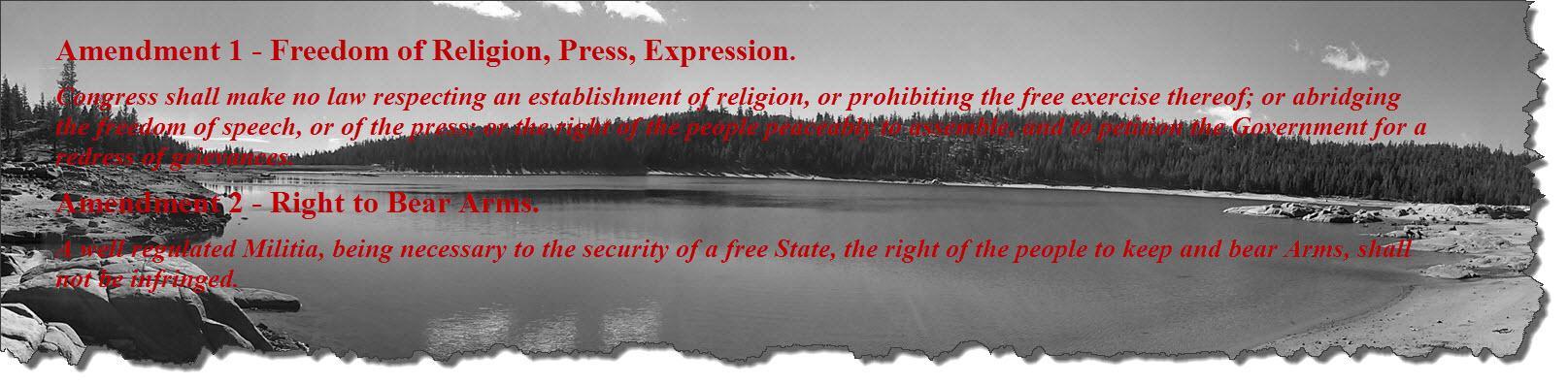
USA History talks to documents based on USA national standing and declaration made. The most important elements of United States of America that has lead to 250 years of Freedom. This was a banner from my old Domain USALIVE.today!
George Washington was private, Only God knows about his Faith!
The Washingtons attended services about once a month at two churches near Mount Vernon. During the Revolutionary War, Washington regularly attended services held by military chaplains and local civilian congregations. Often, when he was traveling, Washington would stop for services at whatever church was nearby, regardless of its denomination. Over the course of his life, he is known to have attended services at churches associated with the following Christian groups: Presbyterians, Quakers, Roman Catholics, Congregationalists, Baptists, and Dutch Reformed.
Throughout his time as a leader, in the army and civilian government, Washington encouraged the declaration of days of prayer and fasting as a means of seeking divine assistance in perilous situations and also supported the proclamation of days of Thanksgiving to praise God for his help. He and his other officers led church services during the French and Indian War because they lacked chaplains. During the Revolution, he ensured that there were chaplains of various denominations to meet the spiritual needs of his soldiers. He also encouraged them to stop swearing and gambling, because he told them it was unseemly to ask God’s favor on their efforts if they were constantly insulting him by their behavior.
This article above shows he was faithful. I have read several articles to the contrary. One of them tried to down a virus to my machine. I accept that he internally believed in God and Externally he wanted faith to grow in America.
In drafting the Constitution, most of the Founding Fathers believed that the safeguards written into it would protect the rights of Americans. But when the Constitution was sent to the states in 1787 for ratification, a great roar of disapproval went up. In Virginia, Patrick Henry protested vigorously against the lack of a specific statement of rights. Other Americans from different states demanded that a Bill of Rights be added to the Constitution. A number of states ratified the Constitution only conditionally. That is, they would approve the Constitution only if it were changed to include these rights.
Two years after the new American government went into effect, the Bill of Rights was added as the first ten amendments to the Constitution. Congress discussed nearly 200 proposals for amendments before it presented these ten to the states for approval. The states ratified these amendments, and they became part of the Constitution in 1791.
THE BILL OF RIGHTS
The first ten amendments to the Constitution, or the Bill of Rights, set forth the priceless rights or freedoms that all Americans may enjoy. A brief summary of these great freedoms is given here.
FREEDOM OF RELIGION
The first right, or freedom, guaranteed in the Bill of Rights is freedom of religion. This right is guaranteed in the First Amendment. Freedom of religion guarantees to all Americans the right to practice any religion they choose, or to practice no religion at all.
Congress is forbidden to establish any religion as our nation’s official religion. Congress cannot favor any one religion over others or tax citizens in order to support any one religion.
FREEDOM OF SPEECH
The right to express your ideas and opinions when you speak is called freedom of speech. Freedom of speech also means the right to listen to the thoughts and opinions of others. This freedom guarantees that Americans are free to express their thoughts and ideas about anything. They may talk freely to their friends and neighbors or speak in public to a group of people. Of course, no one may use his freedom of speech to injure others. If a person knowingly says things that are false about another, he may be sued in court by the person or persons who believe they have been harmed by what he said.
Americans are free to express opinions about their government or anything else. They are free to criticize the actions of the government and of government officials. In a dictatorship, where the nation’s government has all the powers, the people have no right to speak like this. They do not dare to criticize the actions of the government. If they do, they may be imprisoned. But all Americans enjoy the freedom of speech, which is guaranteed in the First Amendment.
FREEDOM OF THE PRESS
The freedom to express your ideas and opinions in writing is known as freedom of the press. This freedom is closely related to freedom of speech and is also guaranteed by the First Amendment.
Freedom of the press gives all Americans the right to express their ideas and thoughts freely in writing. This writing may be in newspapers, books, magazines, or any other printed or written form. Americans are also free to read what others write. They may read any newspaper, book or magazine they want. Because they are free to read a variety of facts and opinions, Americans can become better-informed citizens.
FREEDOM OF ASSEMBLY
Another priceless freedom guaranteed by the First Amendment is freedom of assembly, or freedom to hold meetings. Americans are free to meet together to discuss problems and to plan their actions. Of course, such meetings must be carried on in a peaceful way.
FREEDOM OF PETITION
The freedom of petition is the right to ask your government to do something or to refrain from doing something. The First Amendment contains this guarantee, also. The freedom of petition gives you the right to write to your Congressman and request him to work for the passage of laws you favor. You are free to ask him to change laws that you do not like. The right to petition also helps government officials to know what Americans think and what actions they want the government to take.
The Second Amendment to the Constitution guarantees Americans the right to bear arms. In the early years of our nation, Americans needed weapons in order to serve in the militia, or volunteer armies, that were established to defend our states. The militia provided protection during emergencies, too. Many Americans also believed that without weapons they would be powerless if the government tried to overstep its powers and rule by force.
The Third Amendment states, “No soldier shall, in times of peace, be quartered in any house. . . .” Under British rule, the colonists sometimes had to feed and house British soldiers against their will. As a result, Americans wanted this practice forbidden under the Bill of Rights.
THE RIGHT TO EQUAL JUSTICE
The Bill of Rights contains many rights that are guaranteed to persons accused of a crime. Amendments Five, Six, Seven, and Eight are all concerned with these rights. Our nation places great importance on these rights in order to guarantee equal justice for all Americans. A person must be indicted, or formally accused of a crime, by a group of citizens called a “grand jury” before he can be brought into court for trial. A person accused of a crime is guaranteed the right to know what law he is accused of breaking. A person accused of a crime has a right to a prompt public trial by a jury of his fellow citizens. An accused person cannot be put into prison and kept there for weeks or months while awaiting a trial. He has the right to leave jail, in most cases, if he can raise a certain sum of money, or bail, as a pledge that he will appear at his trial. An accused person has a right to a lawyer to represent him in court. All the testimony and evidence against an accused person must be presented publicly in court. The accused person has the right to call any witnesses to appear if their testimony will help him. The accused person cannot be forced to testify or give evidence against himself. If the accused person is found guilty, he cannot be given cruel or unusual punishment. If the accused person is found not guilty of a serious crime, he cannot be tried a second time for this same crime.
THE RIGHT TO OWN PRIVATE PROPERTY
The Fifth Amendment guarantees Americans the right to own private property. No person may take away anything that we own. Nor can the government seize our land, money, or other forms of property without cause, or without paying for it. The right to own private property is one of America’s basic freedoms. Our free economic system is based upon this right.
THE RIGHT TO ENJOY MANY OTHER FREEDOMS
To make doubly sure that Americans should enjoy every right and freedom possible, Amendment Nine was added to the Constitution. This amendment states that the list of rights contained in the Bill of Rights is not complete. There are many other rights that all Americans have and will continue to have even though they are not mentioned in the Bill of Rights. Among them are the following. Freedom to live or travel anywhere in our nation Freedom to work at any job for which we can qualify Freedom to marry and raise a family Freedom to receive a free education in good public schools Freedom to join a political party, a union, and other legal groups As a final guarantee of our rights, the Tenth Amendment set aside many powers of government for the states. This Amendment says that all powers not given to the federal government by the Constitution, nor forbidden to the states, are set aside for the states, or for the people. This provision leaves with the states the power to act in many ways to guarantee the rights of their citizens.
SUMMARY- American Rights and Freedoms
Government is the authority or power that people establish to help them run their affairs. Governments serve many important purposes, but the most important one is that government makes it possible for people to live and work together. The government provides us with rules of conduct we can follow. Government makes it possible for people to live by known laws and helps provide many services that citizens acting alone could not perform themselves. Our nation’s government is based on the American Constitution. This Constitution, together with its Bill of Rights and other amendments, provides us with a workable plan of government. The Constitution also guarantees to all Americans many priceless rights and freedoms. Our nation’s government is based upon the approval, or consent, of the people who are governed. It is a federal system in which certain powers are given to the national government and other powers are left to the states and to the people. Certain powers are shared by both federal and state governments. In both federal and state governments, powers are separated and balanced among three branches of government.
Bill of Rights Amendments 1-10
The Conventions of a number of the States having, at the time of adopting the Constitution, expressed a desire, in order to prevent misconstruction or
abuse of its powers, that further declaratory and restrictive clauses should be added, and as extending the ground of public confidence in the Government will best insure the beneficent ends of its institution;
Resolved, by the Senate and House of Representatives of the United States of America, in Congress assembled, two-thirds of both Houses concurring, that the following articles be proposed to the Legislatures of the several States, as amendments to the Constitution of the United States; all or any of which articles, when ratified by three-fourths of the said Legislatures, to be valid to all intents and purposes as part of the said Constitution, namely:
Amendment I
Congress shall make no law respecting an establishment of religion, or prohibiting the free exercise thereof; or abridging the freedom of speech, or of the press; or the right of the people peaceably to assemble, and to petition the government for a redress of grievances.
Amendment II
A well regulated militia, being necessary to the security of a free state, the right of the people to keep and bear arms, shall not be infringed.
Amendment III
No soldier shall, in time of peace be quartered in any house, without the consent of the owner, nor in time of war, but in a manner to be prescribed by law.
Amendment IV
The right of the people to be secure in their persons, houses, papers, and effects, against unreasonable searches and seizures, shall not be violated, and no warrants shall issue, but upon probable cause, supported by oath or affirmation, and particularly describing the place to be searched, and the persons or things to be seized.
Amendment V
No person shall be held to answer for a capital, or otherwise infamous crime, unless on a presentment or indictment of a grand jury, except in cases arising in the land or naval forces, or in the militia, when in actual service in time of war or public danger; nor shall any person be subject for the same offense to be twice put in jeopardy of life or limb; nor shall be compelled in any criminal case to be a witness against himself, nor be deprived of life, liberty, or property, without due process of law; nor shall private property be taken for public use, without just compensation.
Amendment VI
In all criminal prosecutions, the accused shall enjoy the right to a speedy and public trial, by an impartial jury of the state and district wherein the crime shall have been committed, which district shall have been previously ascertained by law, and to be informed of the nature and cause of the accusation; to be confronted with the witnesses against him; to have compulsory process for obtaining witnesses in his favor, and to have the assistance of counsel for his defense.
Amendment VII
In suits at common law, where the value in controversy shall exceed twenty dollars, the right of trial by jury shall be preserved, and no fact tried by a jury, shall be otherwise reexamined in any court of the United States, than according to the rules of the common law.
Amendment VIII
Excessive bail shall not be required, nor excessive fines imposed, nor cruel and unusual punishments inflicted.
Amendment IX
The enumeration in the Constitution, of certain rights, shall not be construed to deny or disparage others retained by the people.
Amendment X
The powers not delegated to the United States by the Constitution, nor prohibited by it to the states, are reserved to the states respectively, or to the people.
We the People
The Rights and Freedoms of Americans
This is a concise history of the Bill of Rights. Today these rights are being tested as never before.
In drafting the Constitution, most of the Founding Fathers believed that the safeguards written into it would protect the rights of Americans. But when the Constitution was sent to the states in 1787 for ratification, a great roar of disapproval went up. In Virginia, Patrick Henry protested vigorously against the lack of a specific statement of rights. Other Americans from different states demanded that a Bill of Rights be added to the Constitution. A number of states ratified the Constitution only conditionally. That is, they would approve the Constitution only if it were changed to include these rights.
Two years after the new American government went into effect, the Bill of Rights was added as the first ten amendments to the Constitution. Congress discussed nearly 200 proposals for amendments before it presented these ten to the states for approval. The states ratified these amendments, and they became part of the Constitution in 1791.
THE BILL OF RIGHTS
The first ten amendments to the Constitution, or the Bill of Rights, set forth the priceless rights or freedoms that all Americans may enjoy. A brief summary of these great freedoms is given here.
FREEDOM OF RELIGION
The first right, or freedom, guaranteed in the Bill of Rights is freedom of religion. This right is guaranteed in the First Amendment. Freedom of religion guarantees to all Americans the right to practice any religion they choose, or to practice no religion at all.
Congress is forbidden to establish any religion as our nation’s official religion. Congress cannot favor any one religion over others or tax citizens in order to support any one religion.
FREEDOM OF SPEECH
The right to express your ideas and opinions when you speak is called freedom of speech. Freedom of speech also means the right to listen to the thoughts and opinions of others. This freedom guarantees that Americans are free to express their thoughts and ideas about anything. They may talk freely to their friends and neighbors or speak in public to a group of people. Of course, no one may use his freedom of speech to injure others. If a person knowingly says things that are false about another, he may be sued in court by the person or persons who believe they have been harmed by what he said.
Americans are free to express opinions about their government or anything else. They are free to criticize the actions of the government and of government officials. In a dictatorship, where the nation’s government has all the powers, the people have no right to speak like this. They do not dare to criticize the actions of the government. If they do, they may be imprisoned. But all Americans enjoy the freedom of speech, which is guaranteed in the First Amendment.
FREEDOM OF THE PRESS
The freedom to express your ideas and opinions in writing is known as freedom of the press. This freedom is closely related to freedom of speech and is also guaranteed by the First Amendment.
Freedom of the press gives all Americans the right to express their ideas and thoughts freely in writing. This writing may be in newspapers, books, magazines, or any other printed or written form. Americans are also free to read what others write. They may read any newspaper, book or magazine they want. Because they are free to read a variety of facts and opinions, Americans can become better-informed citizens.
FREEDOM OF ASSEMBLY
Another priceless freedom guaranteed by the First Amendment is freedom of assembly, or freedom to hold meetings. Americans are free to meet together to discuss problems and to plan their actions. Of course, such meetings must be carried on in a peaceful way.
FREEDOM OF PETITION
The freedom of petition is the right to ask your government to do something or to refrain from doing something. The First Amendment contains this guarantee, also. The freedom of petition gives you the right to write to your Congressman and request him to work for the passage of laws you favor. You are free to ask him to change laws that you do not like. The right to petition also helps government officials to know what Americans think and what actions they want the government to take.
The Second Amendment to the Constitution guarantees Americans the right to bear arms. In the early years of our nation, Americans needed weapons in order to serve in the militia, or volunteer armies, that were established to defend our states. The militia provided protection during emergencies, too. Many Americans also believed that without weapons they would be powerless if the government tried to overstep its powers and rule by force.
The Third Amendment states, “No soldier shall, in times of peace, be quartered in any house. . . .” Under British rule, the colonists sometimes had to feed and house British soldiers against their will. As a result, Americans wanted this practice forbidden under the Bill of Rights.
THE RIGHT TO EQUAL JUSTICE
The Bill of Rights contains many rights that are guaranteed to persons accused of a crime. Amendments Five, Six, Seven, and Eight are all concerned with these rights. Our nation places great importance on these rights in order to guarantee equal justice for all Americans. A person must be indicted, or formally accused of a crime, by a group of citizens called a “grand jury” before he can be brought into court for trial. A person accused of a crime is guaranteed the right to know what law he is accused of breaking. A person accused of a crime has a right to a prompt public trial by a jury of his fellow citizens. An accused person cannot be put into prison and kept there for weeks or months while awaiting a trial. He has the right to leave jail, in most cases, if he can raise a certain sum of money, or bail, as a pledge that he will appear at his trial. An accused person has a right to a lawyer to represent him in court. All the testimony and evidence against an accused person must be presented publicly in court. The accused person has the right to call any witnesses to appear if their testimony will help him. The accused person cannot be forced to testify or give evidence against himself. If the accused person is found guilty, he cannot be given cruel or unusual punishment. If the accused person is found not guilty of a serious crime, he cannot be tried a second time for this same crime.
THE RIGHT TO OWN PRIVATE PROPERTY
The Fifth Amendment guarantees Americans the right to own private property. No person may take away anything that we own. Nor can the government seize our land, money, or other forms of property without cause, or without paying for it. The right to own private property is one of America’s basic freedoms. Our free economic system is based upon this right.
THE RIGHT TO ENJOY MANY OTHER FREEDOMS
To make doubly sure that Americans should enjoy every right and freedom possible, Amendment Nine was added to the Constitution. This amendment states that the list of rights contained in the Bill of Rights is not complete. There are many other rights that all Americans have and will continue to have even though they are not mentioned in the Bill of Rights. Among them are the following. Freedom to live or travel anywhere in our nation Freedom to work at any job for which we can qualify Freedom to marry and raise a family Freedom to receive a free education in good public schools Freedom to join a political party, a union, and other legal groups As a final guarantee of our rights, the Tenth Amendment set aside many powers of government for the states. This Amendment says that all powers not given to the federal government by the Constitution, nor forbidden to the states, are set aside for the states, or for the people. This provision leaves with the states the power to act in many ways to guarantee the rights of their citizens.
SUMMARY- American Rights and Freedoms
Government is the authority or power that people establish to help them run their affairs. Governments serve many important purposes, but the most important one is that government makes it possible for people to live and work together. The government provides us with rules of conduct we can follow. Government makes it possible for people to live by known laws and helps provide many services that citizens acting alone could not perform themselves. Our nation’s government is based on the American Constitution. This Constitution, together with its Bill of Rights and other amendments, provides us with a workable plan of government. The Constitution also guarantees to all Americans many priceless rights and freedoms. Our nation’s government is based upon the approval, or consent, of the people who are governed. It is a federal system in which certain powers are given to the national government and other powers are left to the states and to the people. Certain powers are shared by both federal and state governments. In both federal and state governments, powers are separated and balanced among three branches of government.
Bill of Rights Amendments 1-10
The Conventions of a number of the States having, at the time of adopting the Constitution, expressed a desire, in order to prevent misconstruction or
abuse of its powers, that further declaratory and restrictive clauses should be added, and as extending the ground of public confidence in the Government will best insure the beneficent ends of its institution;
Resolved, by the Senate and House of Representatives of the United States of America, in Congress assembled, two-thirds of both Houses concurring, that the following articles be proposed to the Legislatures of the several States, as amendments to the Constitution of the United States; all or any of which articles, when ratified by three-fourths of the said Legislatures, to be valid to all intents and purposes as part of the said Constitution, namely:
Amendment I
Congress shall make no law respecting an establishment of religion, or prohibiting the free exercise thereof; or abridging the freedom of speech, or of the press; or the right of the people peaceably to assemble, and to petition the government for a redress of grievances.
Amendment II
A well regulated militia, being necessary to the security of a free state, the right of the people to keep and bear arms, shall not be infringed.
Amendment III
No soldier shall, in time of peace be quartered in any house, without the consent of the owner, nor in time of war, but in a manner to be prescribed by law.
Amendment IV
The right of the people to be secure in their persons, houses, papers, and effects, against unreasonable searches and seizures, shall not be violated, and no warrants shall issue, but upon probable cause, supported by oath or affirmation, and particularly describing the place to be searched, and the persons or things to be seized.
Amendment V
No person shall be held to answer for a capital, or otherwise infamous crime, unless on a presentment or indictment of a grand jury, except in cases arising in the land or naval forces, or in the militia, when in actual service in time of war or public danger; nor shall any person be subject for the same offense to be twice put in jeopardy of life or limb; nor shall be compelled in any criminal case to be a witness against himself, nor be deprived of life, liberty, or property, without due process of law; nor shall private property be taken for public use, without just compensation.
Amendment VI
In all criminal prosecutions, the accused shall enjoy the right to a speedy and public trial, by an impartial jury of the state and district wherein the crime shall have been committed, which district shall have been previously ascertained by law, and to be informed of the nature and cause of the accusation; to be confronted with the witnesses against him; to have compulsory process for obtaining witnesses in his favor, and to have the assistance of counsel for his defense.
Amendment VII
In suits at common law, where the value in controversy shall exceed twenty dollars, the right of trial by jury shall be preserved, and no fact tried by a jury, shall be otherwise reexamined in any court of the United States, than according to the rules of the common law.
Amendment VIII
Excessive bail shall not be required, nor excessive fines imposed, nor cruel and unusual punishments inflicted.
Amendment IX
The enumeration in the Constitution, of certain rights, shall not be construed to deny or disparage others retained by the people.
Amendment X
The powers not delegated to the United States by the Constitution, nor prohibited by it to the states, are reserved to the states respectively, or to the people.
Danwillie here! I in no way support this happening today. But it did happen and Thomas Jefferson Thought it was necessary. I pray to God that this is resolved in a peaceful fashion.
But we are at aa point of corruption that may be hard to solve.
Jefferson Rebellion
Dear Sir,
My last to you was of the 16th of December; since which, I have received yours of November 25 and December 4, which afforded me, as your letters always do, a treat on matters public, individual, and economical. I am impatient to learn your sentiments on the late troubles in the Eastern states. So far as I have yet seen, they do not appear to threaten serious consequences. Those states have suffered by the stoppage of the channels of their commerce, which have not yet found other issues. This must render money scarce and make the people uneasy. This uneasiness has produced acts absolutely unjustifiable; but I hope they will provoke no severities from their governments. A consciousness of those in power that their administration of the public affairs has been honest may, perhaps, produce too great a degree of indignation; and those characters, wherein fear predominates over hope, may apprehend too much from these instances of irregularity. They may conclude too hastily that nature has formed man insusceptible of any other government than that of force, a conclusion not founded in truth or experience.
Societies exist under three forms, sufficiently distinguishable: (1) without government, as among our Indians; (2) under governments, wherein the will of everyone has a just influence, as is the case in England, in a slight degree, and in our states, in a great one; (3) under governments of force, as is the case in all other monarchies, and in most of the other republics. I hold it that a little rebellion now and then is a good thing, and as necessary in the political world as storms in the physical. Unsuccessful rebellions, indeed, generally establish the encroachments on the rights of the people which have produced them. An observation of this truth should render honest republican governors so mild in their punishment of rebellions as not to discourage them too much. It is a medicine necessary for the sound health of government.To have an idea of the curse of existence under these last, they must be seen. It is a government of wolves over sheep. It is a problem, not clear in my mind, that the first condition is not the best. But I believe it to be inconsistent with any great degree of population. The second state has a great deal of good in it. The mass of mankind under that enjoys a precious degree of liberty and happiness. It has its evils, too, the principal of which is the turbulence to which it is subject. But weigh this against the oppressions of monarchy, and it becomes nothing. Malo periculosam libertatem quam quietam servitutem. Even this evil is productive of good. It prevents the degeneracy of government and nourishes a general attention to the public affairs.
If these transactions give me no uneasiness, I feel very differently at another piece of intelligence, to wit, the possibility that the navigation of the Mississippi may be abandoned to Spain. I never had any interest westward of the Allegheny; and I will never have any. But I have had great opportunities of knowing the character of the people who inhabit that country; and I will venture to say that the act which abandons the navigation of the Mississippi is an act of separation between the Eastern and Western country. It is a relinquishment of five parts out of eight of the territory of the United States; an abandonment of the fairest subject for the payment of our public debts, and the chaining those debts on our own necks, in perpetuum.
I have the utmost confidence in the honest intentions of those who concur in this measure; but I lament their want of acquaintance with the character and physical advantages of the people, who, right or wrong, will suppose their interests sacrificed on this occasion to the contrary interests of that part of the confederacy in possession of present power. If they declare themselves a separate people, we are incapable of a single effort to retain them. Our citizens can never be induced, either as militia or as soldiers, to go there to cut the throats of their own brothers and sons, or rather, to be themselves the subjects instead of the perpetrators of the parricide.
Nor would that country quit the cost of being retained against the will of its inhabitants, could it be done. But it cannot be done. They are able already to rescue the navigation of the Mississippi out of the hands of Spain, and to add New Orleans to their own territory. They will be joined by the inhabitants of Louisiana. This will bring on a war between them and Spain; and that will produce the question with us, whether it will not be worth our while to become parties with them in the war in order to reunite them with us and thus correct our error. And were I to permit my forebodings to go one step further, I should predict that the inhabitants of the United States would force their rulers to take the affirmative of that question. I wish I may be mistaken in all these opinions.
Yours affectionately,
Th. Jefferson
Jefferson Rebellion as indicated in the letter above has been neutralized in America. The control is runs deep in a different ways with more than 10% of people in government and many in a law enforcement position. Then there is another group whom have legal authority over the public and rule in many ways. We see it with the environmental movement, building controls and many other ways. All have legal authority over our lives.
So Look to God and the bible for answers. Be prepared for Christ’s coming. Be ready for what ever God calls you to do. History is a good study in this area. I see many parallels to 1938 and 1939. Or even further back, the fall of the Roman Empire and the slaughter of many Christians. What I don’t see is an America of today beyond 2020. And I believe we are at Number 3 above.
The end of Jefferson’s Shays Rebellion
Your site has some commonly used modules already preconfigured. These include:
Image (type: Custom), which holds the image beneath the menu. This is a Custom module that you can edit to change the image.
Popular Tags (type: Tags - Popular), which will appear if you use tagging on your articles. Enter a tag in the Tags field when editing.
Older Posts (type: Articles), which lists out articles by categories.
Syndication (type: Syndication Feeds), which allows your readers to read your posts in a news reader.
Login Form (type: Login), which allows your users to access restricted areas of the website.
Each of these modules has many options which you can experiment with in the Module Manager in your site Administrator. When you are logged in you can also select the edit icon in the top right corner which will take you to an edit screen for that module. Always be sure to save and close any module you edit.
Joomla! also includes many other modules you can incorporate in your site. As you develop your site you may want to add more modules that you can find at the Joomla Extensions Directory.
USA History talks to documents based on USA national standing and declaration made. The most important elements of United States of America that has lead to 250 years of Freedom. This was a banner from my old Domain USALIVE.today!

 Login
Login